PFAS are a group of man-made chemicals used in consumer product manufacturing.
Two of the most studied PFAS are perfluorooctanoic acid (PFOA) and perfluorooctane sulfonic acid (PFOS).
They’re commonly used as water- and oil-resistant substances in non-stick cookware and food containers.
Clothes, furniture, and cosmetics also have traces of these chemicals.
Researchers call PFAS “forever chemicals” because they break down very slowly and are almost impossible to remove
Experts say it takes 41 years for PFOS and 92 years for PFOA to disintegrate.
This means they stay in the environment that whole time!
Industrial discharges of PFAS may leak into the groundwater, eventually making their way into your tap.
PFAS have been found at dangerous levels in California, New York, and almost every state in between, from sea to shining sea.
EPA’s Latest Advisory on PFAS
PFAS are dangerous to your health, even at low levels.
In 2016, PFAS in U.S. waterways were at 70 parts per trillion — which were considered low— so they weren’t seen as a threat.
But recently the EPA updated the advisory on two types of PFAS: perfluorooctane sulfonic acid (PFOS) and perfluorooctanoic acid (PFOA).
Both substances have been found to have negative health effects at close to zero levels.
So what is the EPA doing to take action?
The EPA said that $1 billion will be available to help communities lower the chemical levels of their drinking water.
If they follow through on their promise, this could be a big step in the right direction towards safer drinking water in the United States.
Next up, let’s look a little closer at the potential health problems PFAS can cause…
How PFAS May Endanger Your Health
Almost all Americans have detectable levels of PFAS in their blood!
Here are just a few of the potential health problems that these “forever chemicals” can cause:
A recent study reveals a link between PFAS and increased alanine transaminase (ALT) levels.
ALT is used to break down food into energy and should normally be low.
High levels of ALT in the blood can mean a liver condition.
It may also disrupt the liver's storage and processing of fats, eventually leading to liver damage, like non-alcoholic fatty liver disease (NAFLD).
Some studies point out a link between PFAS and certain cancers.
Researchers studied cancer cases in Mid-Ohio Valley, where residents were drinking PFOA-contaminated water.
The chemical has leaked into their water supply from a nearby chemical plant.
About 8% of the group reported 21 varied cancer cases, particularly testicular and kidney cancers.
On the other hand, a 2021 review of 16 studies reveals that it’s challenging to find a connection.
More research is needed to confirm the link between PFAS and cancer.
PFAS may even disrupt the thyroid hormone system and cause obesity.
Babies exposed to PFAS through their mothers were at risk of becoming overweight as children.
“Forever chemicals” also have an effect on pregnant women.
These chemicals may affect insulin and glucose levels.
As a result, it can increase women’s risk for diabetes during pregnancy.
PFAS may also have an impact on reproductive health.
A recent study reveals that women exposed to PFAS had irregular menstrual periods.
They also had low levels of sex hormones.
For now, additional research is needed to validate a link between PFAS and ovarian problems.
5. Immune System Problems
PFAS might also weaken the immune system.
In 2016, the US National Toxicology Program analyzed studies about the toxic effects of PFOA and PFOS on antibodies.
Animal and human studies reveal that PFOS may weaken our body’s defenses against viruses and bacteria.
To make matters worse, PFOA can alter immune function and increase the risk of asthma.
The Agency for Toxic Substance Disease Registry shared that PFOA and PFOS lowered antibody responses to vaccines.
So the question is, with all the potential health risks of PFAS, how can you protect you and your family from these toxic chemicals?
Two Ways to Lessen Your Exposure to These “Forever Chemicals”
PFAS is everywhere — in the water, the soil, the air, and even the everyday products we buy.
You can reduce your exposure to these substances by…
1. Stop Using Products with PFAS
Lots of everyday products still contain these chemicals, especially the ones made years ago.
These chemicals have been used to produce leather furniture and carpets as well as water-resistant products, not to mention non-stick Teflon cooking pans.
Avoiding these products can be darn near impossible.
Eventually, there will be a ban on these chemicals (it is expected to take effect in mid-2023).
For now, you can play it safe by opting to use stainless steel cookware instead of non-stick pans.
You can also use ceramic or glassware for storing food instead of greaseproof paper packaging.
2. Filter Your Drinking Water
While you may still get a small amount of PFAS on your skin from bathing or dishwashing, it shouldn’t be too much to worry about.
Drinking water that contains PFAS, on the other hand, is a big deal.
The good news is that installing a water filter can help remove these chemicals from your water.
In fact, an in-home reverse osmosis (RO) system is one of the most effective filters against a wide range of PFAS.
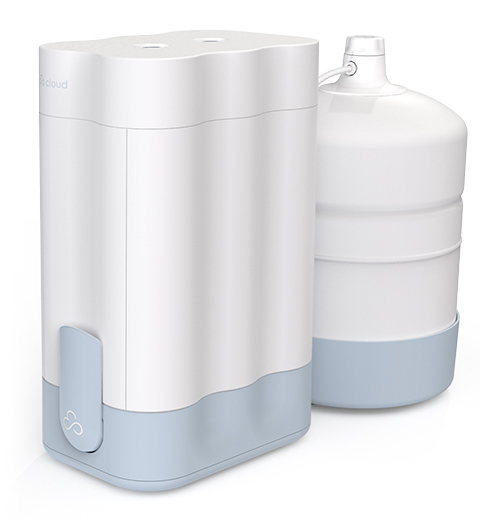
Cloud Water Filters can remove up to 99.9% of harmful contaminants, including these “forever chemicals.”
They even have built-in software to help you track your water quality 24/7.
You won’t have to worry about PFAS lurking in your drinking water anymore!